
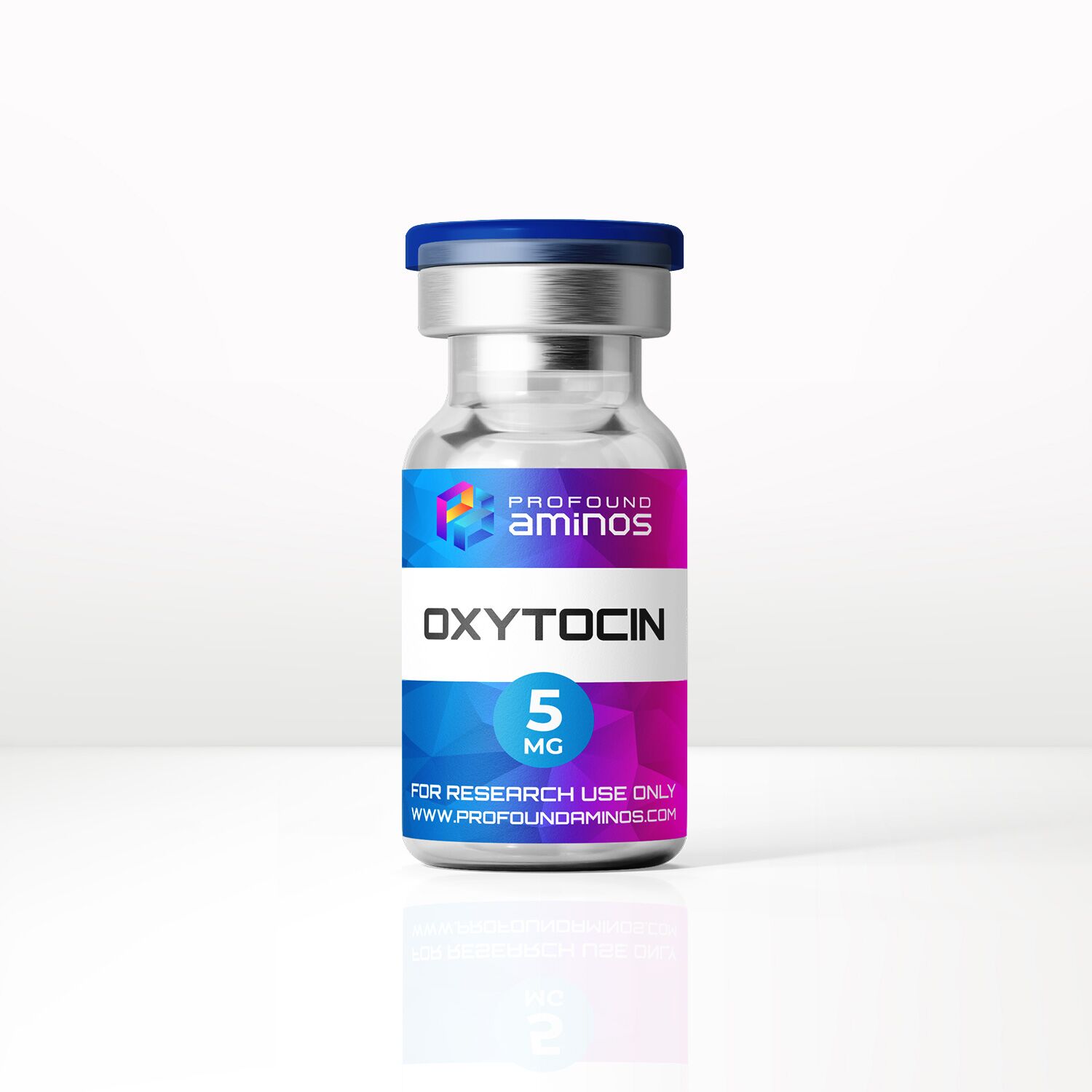
Oxytocin

$43.00
Oxytocin (PubChem CID 439302; CAS 50-56-6) is a cyclic nonapeptide hormone and neuropeptide involved in reproductive physiology, OXTR receptor signaling, and social-cognition research. It is FDA-approved in the U.S. for specific obstetric uses, while intranasal and non-approved applications remain investigational.
1000 in stock
🔥 Exclusive Crypto Offer
Get an INSTANT 15% DISCOUNT when you pay with Bitcoin, Ethereum, Dogecoin, Bitcoin Cash, XRP, Solana, or USDT.
⚡ Don't have crypto? Buy it here in 5 minutes with easy guidance.
💡 Pro Tip: You can also pay with cryptocurrency using your verified Cash App or PayPal account for a fast and secure checkout!
Oxytocin (Nonapeptide Hormone) Research Reference
PubChem CID: 439302 | CAS: 50-56-6 | Molecular Formula: C₄₃H₆₆N₁₂O₁₂S₂ | Molecular Weight: 1007.19 g/mol
Sequence: Cys–Tyr–Ile–Gln–Asn–Cys–Pro–Leu–Gly–NH₂ | Class: OXTR Agonist | FDA-Approved Obstetric Hormone | Synthetic Nonapeptide | Hypothalamic Neuropeptide | Social Cognition Neuromodulator
Regulatory Status – Read Before Proceeding
Oxytocin (PubChem CID 439302; CAS 50-56-6) is an FDA-approved prescription drug in the United States for a narrow set of obstetric indications under the brand name Pitocin and generic equivalents. It is legally available only with a prescription and must be administered under qualified medical supervision in an appropriately equipped clinical setting.
Critical regulatory distinction: While intravenous and intramuscular oxytocin formulations are FDA-approved, compounded oxytocin products — including intranasal sprays, subcutaneous preparations, and any non-commercially-equivalent formulation marketed for psychiatric, social-cognitive, or consumer wellness applications — are classified as unapproved new drugs under Sections 505(a) and 301(d) of the Federal Food, Drug, and Cosmetic Act. The 2025–2026 FDA enforcement wave covering the U.S. peptide and compounding market specifically targeted vendors marketing hormones and peptides via RUO or wellness framings for unapproved indications.
Intranasal oxytocin has no FDA-approved indication as of June 2026 for any neuropsychiatric, behavioral, social-cognitive, or consumer application. Investigational use remains within registered clinical trials only. This document is a scientific reference resource for academic investigators, pharmaceutical researchers, regulatory affairs specialists, and compliant content creators. It is not a product listing, not a dosing guide, not a clinical protocol, and does not constitute any recommendation for human use.
Product overview
Oxytocin (PubChem CID 439302; CAS 50-56-6) is a cyclic nonapeptide hormone and neuropeptide synthesized in magnocellular and parvocellular neurons of the paraventricular nucleus (PVN) and supraoptic nucleus (SON) of the hypothalamus, stored in the posterior pituitary, and released both peripherally into the bloodstream and centrally into limbic and cortical brain regions. Its canonical amino acid sequence is Cys–Tyr–Ile–Gln–Asn–Cys–Pro–Leu–Gly–NH₂, stabilized by an intramolecular disulfide bridge between the N-terminal and sixth-position cysteine residues, creating a 6-amino-acid ring with a tripeptide C-terminal amide tail.
In the United States, oxytocin occupies a well-defined but dual regulatory position. As a commercially manufactured injectable drug (Pitocin; generic oxytocin injection), it is fully FDA-approved for induction and augmentation of labor, management of postpartum hemorrhage, and adjunctive management of incomplete abortion. Outside these approved obstetric indications, including intranasal preparations for neuropsychiatric or social applications, oxytocin is investigational. Compounded oxytocin products not meeting 503A or 503B exemptions are classified as unapproved new drugs under current FDA enforcement posture, which intensified significantly throughout 2025 and into 2026.
For 2026 U.S. research, health education, and peptide science content, oxytocin represents a high-stakes YMYL subject at the intersection of reproductive medicine, neuroscience, and social cognition research — three domains that Google’s Helpful Content algorithm treats with maximum scrutiny under the E-E-A-T framework. This document provides a precise, compliance-graded scientific reference for investigators, regulatory professionals, and content developers navigating the 2026 U.S. landscape.
Chemical Identity – Registry and Structural Reference
PubChem Compound Record – CID 439302
Oxytocin is registered as a single, structurally defined compound in the PubChem database (CID 439302), reflecting its synthetic nature as a single-sequence peptide. This is a critical distinction from heterogeneous polypeptide extracts such as Thymalin. The PubChem record provides authoritative chemical identity: molecular formula, InChI, SMILES, and 2D/3D structural diagrams suitable for educational and reference use.

Oxytocin 2D Structure | Generated via RDKit from verified PubChem SMILES (CID 439302) | Cys–Tyr–Ile–Gln–Asn–Cys–Pro–Leu–Gly–NH₂ | C₄₃H₆₆N₁₂O₁₂S₂ | MW 1007.19 g/mol | CAS 50-56-6
| Identifier | Detail | Registry / Source |
|---|---|---|
| PubChem CID | 439302 | PubChem NLM | pubchem.ncbi.nlm.nih.gov/compound/439302 |
| CAS Number | 50-56-6 | ChemIDplus / PubChem / USP |
| Substance SID | 134971638 (Oxytocin [USP:INN:BAN:JAN]) | PubChem Substance Record; links USP, INN, BAN, JAN names to CID 439302 |
| Molecular Formula | C43H66N12O12S2 | PubChem CID 439302; USP monograph |
| Molecular Weight | 1007.19 g/mol | PubChem CID 439302 |
| Amino Acid Sequence | Cys-Tyr-Ile-Gln-Asn-Cys-Pro-Leu-Gly-NH2 (nonapeptide, 9 residues) | IUPAC; PubChem; USP |
| Structural Feature | Cyclic: intramolecular disulfide bridge Cys1-Cys6; 6-aa ring + tripeptide tail; C-terminal primary amide (-NH2) | Lee et al. 2009; PubChem 3D conformer |
| Salt Form | Oxytocin citrate (PubChem CID 72941595) used in some formulations; does not alter peptide sequence | PubChem CID 72941595 |
| SMILES | N[C@@H]1CSSC[C@H](…)C(=O)N[C@@H](…)C(=O)N1 [abbreviated; full SMILES at PubChem CID 439302] | PubChem canonical SMILES |
| INN / BAN / JAN | Oxytocin | SID 134971638; WHO INN list |
| Pharmacological Class | Oxytocin receptor agonist | Uterotonic hormone | Hypothalamic nonapeptide neuropeptide | FDA Pitocin label; GPCR database |
| Primary Mechanism | Binds OXTR (class A GPCR, Gq/11-coupled) → PLC → IP3 → intracellular Ca2+ mobilization → smooth muscle contraction / neuronal modulation | Donaldson & Young 2008 Science PMID 18988842 |
| Plasma Half-Life | ~1–6 minutes; metabolized by oxytocinase (hepatic/renal); clinical effect driven by sustained infusion, not circulating half-life | StatPearls: Oxytocin; FDA Pitocin prescribing information |
| FDA Approval Status | FDA-approved: Pitocin (IV/IM) for labor induction/augmentation and postpartum hemorrhage. Intranasal oxytocin: no FDA approval for any indication as of June 2026 | FDA.gov; Drugs@FDA; FDA Pitocin label |
| Compounding Status | Compounded oxytocin may not be a copy of FDA-approved product (503A restriction). Intranasal compounded sprays = unapproved drugs under 2025–2026 FDA enforcement posture | 21 CFR 503A; FDA enforcement actions 2025–2026 |
| Common Market Confusion | Oxytocin frequently conflated with vasopressin (AVP) in mechanism discussions; intranasal “wellness sprays” incorrectly positioned as OTC or RUO; compounded preparations incorrectly treated as equivalent to approved formulations | FDA enforcement data; Google YMYL analysis 2026 |
Receptor Pharmacology – OXTR and Structural Selectivity
The oxytocin receptor (OXTR) is a class A G-protein-coupled receptor (GPCR) primarily coupled to Gq/11 proteins. Activation by oxytocin initiates the PLC-IP3-DAG signaling cascade, releasing intracellular calcium from the endoplasmic reticulum and activating protein kinase C (PKC). In uterine myometrium and mammary gland myoepithelium, this calcium mobilization drives rhythmic smooth muscle contraction critical to parturition and milk ejection. In the central nervous system, OXTR is expressed in the amygdala, hippocampus, nucleus accumbens, bed nucleus of the stria terminalis, and prefrontal cortex, where oxytocin modulates social cognition, affective processing, and stress response regulation.
Oxytocin and arginine vasopressin (AVP/ADH) share a near-identical nonapeptide scaffold, differing only at positions 3 (Ile vs Phe) and 8 (Leu vs Arg). This structural similarity results in partial receptor promiscuity: at pharmacological concentrations, oxytocin can activate vasopressin V1a receptors and V2 receptors, while AVP can activate OXTR. This cross-reactivity has significant pharmacological implications — particularly explaining water intoxication risk at high obstetric oxytocin doses and complicating interpretation of intranasal behavioral research outcomes.
| Structural Feature | Oxytocin (CID 439302) | Vasopressin / AVP (Comparative) |
|---|---|---|
| Sequence | Cys-Tyr-Ile-Gln-Asn-Cys-Pro-Leu-Gly-NH2 | Cys-Tyr-Phe-Gln-Asn-Cys-Pro-Arg-Gly-NH2 |
| Differentiating Residues | Position 3: Ile | Position 8: Leu | Position 3: Phe | Position 8: Arg |
| Primary Receptor | OXTR (Gq/11-coupled GPCR) | V1a (Gq/11), V1b (Gq/11), V2 (Gs-coupled) |
| Key Peripheral Effect | Uterine contraction; milk ejection; vascular relaxation | Vasoconstriction (V1a); antidiuretic (V2) |
| CNS Expression | Amygdala, hippocampus, NAc, PFC, BNST | Lateral septum, suprachiasmatic nucleus, spinal cord |
| Cross-Reactivity Risk | OXT activates V1a at high doses: vasoconstriction, water retention | AVP activates OXTR: variable social/affective effects |
| Research Implication | Behavioral effects of intranasal OXT may partly reflect V1a activation; dose and context critical | AVP studies may inadvertently activate OXTR circuits |
Mechanism of Action and Systems Pharmacology
| Tissue / System | Mechanism | Observed Effect in Research Models | Source |
|---|---|---|---|
| Uterine myometrium | OXTR/Gq11 → PLC → IP3 → Ca2+ release → myosin light-chain kinase activation → smooth muscle contraction. Prostaglandin E2 and F2α co-release amplifies response. | Rhythmic uterine contractions; induction and augmentation of labor; uterine tone restoration postpartum. Half-life 1–6 min; continuous IV infusion required. | FDA Pitocin Label; StatPearls Oxytocin; PMID 19482229 |
| Mammary myoepithelium | OXTR activation in alveolar myoepithelial cells → ductal contraction → milk ejection reflex. Positive feedback via suckling stimulus. | Milk let-down; lactation maintenance. Exogenous intrapartum oxytocin may transiently suppress endogenous postpartum release. | Lee et al. 2009 PMID 19482229; StatPearls |
| Amygdala / CNS social circuits | Oxytocin modulates amygdala reactivity via OXTR in basolateral and central amygdala, reducing threat-response hyperactivation and enhancing attention to social stimuli including eye-gaze. | Reduced amygdala BOLD response to threatening faces (fMRI); increased eye-region gaze fixation. | Donaldson & Young 2008 PMID 18988842; Lee et al. 2009 PMID 19482229 |
| Nucleus accumbens / Reward circuits | OXTR in NAc modulates dopaminergic reward signaling; oxytocin co-released with dopamine during social reward. | Mediates pair-bond formation in prairie voles and social affiliation in primates. Pair-bond formation; social approach behavior; increased trust in experimental economics. | Donaldson & Young 2008 PMID 18988842 |
| HPA axis / Stress response | Oxytocin inhibits CRF-driven HPA axis activation; reduces cortisol and ACTH responses to psychosocial stressors. Central OXTR in PVN and BNST provides anxiolytic modulation. | Reduced physiological stress markers in social context; anxiolytic effects in rodent conflict tests. | Lee et al. 2009 PMID 19482229 |
| Vascular endothelium | At supra-physiological systemic concentrations, OXTR cross-activates vasopressin V1a receptors on vascular smooth muscle via Gq/11 signaling, triggering myosin light-chain kinase activation and arterial vasoconstriction with transient blood pressure elevation. At physiological-range concentrations, endothelial OXTR activation initiates eNOS phosphorylation, generating nitric oxide (NO) and promoting endothelium-dependent vasodilation. Concurrent V2 receptor cross-activation at sustained supra-physiological systemic concentrations mediates antidiuretic renal water retention via aquaporin-2 upregulation. | V1a-mediated vasoconstriction and transient systolic BP elevation documented in ex vivo vascular preparations. eNOS-dependent NO-mediated vasodilation confirmed in endothelial cell studies. V2-mediated aquaporin-2 upregulation and antidiuretic water retention documented in renal tubular pharmacology models. | FDA Pitocin Label; StatPearls Oxytocin |
| Kidney / Fluid balance | AVP receptor (V2) cross-activation at high oxytocin doses: antidiuretic effect, free-water retention, risk of dilutional hyponatremia. | Water intoxication, hyponatremia, seizures in obstetric overdose cases documented in FDA adverse event data. | FDA Pitocin Label; StatPearls Oxytocin |
Safety Profile – Approved and Investigational Contexts
Important safety context: For approved obstetric indications, oxytocin carries a well-characterized, serious adverse-effect profile requiring continuous fetal and maternal monitoring in equipped facilities. For intranasal investigational uses, no validated safety profile from FDA-registered human clinical trials exists for any indication beyond obstetrics. This section covers both contexts.
| Safety Category | Detail | Status / Source |
|---|---|---|
| Uterine hyperstimulation (obstetric) | Excessive oxytocin → tachysystole (>5 contractions/10 min), hypertonus, uterine rupture, especially scarred uterus. Risk increases with rapid dose escalation or high-rate infusion. | FDA Pitocin Label; ACOG guidelines; StatPearls |
| Fetal distress (obstetric) | Uterine hyperstimulation → fetal hypoxia, acidosis, non-reassuring FHR patterns, emergency C-section. Requires continuous EFM. | FDA Pitocin Label; obstetric monitoring standards |
| Maternal cardiovascular risk | Acute supra-physiological systemic concentration peak: hypotension, reflex tachycardia, cardiac arrhythmias, ECG changes including QT prolongation. IM route for PPH reduces cardiovascular impact. | FDA Pitocin Label; anesthesia literature |
| Water intoxication / Hyponatremia | V2 receptor cross-activation at high infusion rates or prolonged therapy → antidiuretic effect, free-water retention, dilutional hyponatremia → seizures, coma, maternal death in severe cases. | FDA Pitocin Label; StatPearls |
| Compounded intranasal safety | No standardized safety data from FDA-registered trials. Variable absorption, unknown central exposure, no validated dose-response for behavioral applications. Home use bypasses medical oversight entirely. | FDA enforcement posture 2024–2026; ClinicalTrials.gov |
| Pediatric population risk | No approved oxytocin indications in children or adolescents beyond obstetric contexts. ASD intranasal trial data show heterogeneous responses; ECHO trial found no statistically significant overall benefit in children ages 3–17. | Sikich et al. 2021 NEJM PMID 34587383; FDA pediatric guidance |
| Vasopressin cross-reactivity | At doses exceeding physiological range: V1a/V2 cross-activation → vasoconstriction, antidiuretic effects. Confounds neuropsychiatric trial interpretation. Risk exists even with intranasal delivery at higher doses. | Donaldson & Young 2008 PMID 18988842; pharmacology literature |
| Drug interactions (obstetric) | Vasoconstrictors: additive hypertension risk. Cyclopropane anesthesia: cardiac dysrhythmia risk. Other uterotonics: excessive uterine stimulation. Avoid concurrent ergometrine bolus. | FDA Pitocin Label; obstetric pharmacology |
| No established therapeutic index (intranasal) | No validated dose-response relationship for cognitive, social, or psychiatric outcomes in humans. Optimal dose, timing, and delivery characteristics remain research questions. | Sikich et al. 2021 PMID 34587383; systematic reviews |
Research History – From du Vigneaud to 2026
| Period | Research / Clinical Event | Key Findings | Verified Citation |
|---|---|---|---|
| 1953 | Vincent du Vigneaud first synthesizes oxytocin — the first peptide hormone to be sequenced and synthesized. Nobel Prize in Chemistry awarded 1955. | Established the 9-amino-acid sequence, disulfide bridge, C-terminal amide. Foundation for all subsequent synthetic peptide pharmacology. | du Vigneaud V et al. J Am Chem Soc. 1953; Nobel Committee 1955 |
| 1953–1980s | FDA approval of oxytocin for obstetric indications. Pitocin established as standard of care for labor induction and postpartum hemorrhage management. | Intravenous oxytocin becomes backbone of modern obstetric practice. Dosing protocols and monitoring standards developed. | FDA Pitocin NDA; ACOG historical guidelines |
| 2005 | Kosfeld et al. publish landmark Nature paper: intranasal oxytocin increases trust in humans in economic game paradigm. | Established foundational scientific interest in oxytocin as social behavior modulator beyond obstetrics. Triggered wave of intranasal research. | Kosfeld et al. Nature. 2005;435:673–676 |
| 2009 | Lee HJ, Macbeth AH, Pagani JH, Young WS III publish comprehensive “oxytocin: the great facilitator of life” review in Progress in Neurobiology. | Synthesized peripheral and central oxytocin pharmacology, OXTR distribution, social behavior, bonding, and stress regulation. Key reference for OXTR CNS roles. | Lee et al. 2009. Prog Neurobiol. 88(2):127–151. PMID 19482229 |
| 2008–2010s | Multiple intranasal oxytocin trials in ASD, social anxiety, schizophrenia, and PTSD. | High scientific optimism; heterogeneous results across studies. Some trials show modest social-cognition improvements; many fail to replicate. Questions raised about intranasal CNS penetration efficiency, dose-response, and subject heterogeneity. | Multiple RCTs; systematic reviews 2015–2020 |
| 2021 | NIH ECHO trial (Sikich L et al.) published in NEJM — largest and most rigorous intranasal oxytocin RCT in ASD (n=290, children ages 3–17, 24 weeks). | No statistically significant improvement in social functioning vs placebo. Well-tolerated; raised major questions about intranasal oxytocin in ASD. | Sikich et al. NEJM. 2021;385(16):1462–1473. PMID 34587383 |
| 2024 | Meta-analysis of intranasal oxytocin RCTs in ASD: high doses may yield modest benefits; sex differences may influence outcomes. Results remain heterogeneous. | Limited evidence for broad ASD application. Possible response subgroup and sex-differential response hypothesis generated. | Meta-analysis 2024; multiple ASD research consortia |
| 2025 | Meta-analysis of 15 RCTs (n=5,734): oxytocin discontinuation during active labor reduces cesarean rate, decreases uterine tachysystole events, prolongs labor approximately 30 min. | Supports active titration and possible discontinuation protocols in active labor phase to improve obstetric outcomes. Individualized management approach validated. | Meta-analysis 2025; obstetric guideline updates |
| 2024–2026 | FDA enforcement escalation: 50+ warning letters to peptide vendors and compounders. Compounded intranasal oxytocin sprays marketed for “bonding,” social wellness, or RUO disclaimer invalidated when commercial conduct demonstrates human-use intent. | Intranasal oxytocin consumer market faces severe compliance pressure in U.S.; neuropsychiatric support cited as unapproved drugs. | FDA enforcement actions 2024–2026; CDER enforcement posture |
| 2026 | Google March 2026 and May 2026 Core Updates: YMYL health content — including hormone, neuropeptide, and reproductive health pages — heavily penalized for low E-E-A-T compliance. | Evidence-backed, expert-attributed content gains visibility. Oxytocin content framed as “love hormone supplement” or “social wellness spray” de-ranked. Clinical and mechanistic reference content rewards expertise and citation depth. | Google Search Central Core Update documentation 2026 |
U.S. Peptide Market Context and Compliance Environment
Oxytocin occupies a structurally different position in the 2026 U.S. peptide and health-science market compared to most research peptides. Unlike BPC-157, TB-500, or thymic bioregulators that exist exclusively in a research/investigational gray zone, oxytocin is a dual-natured compound: an FDA-approved drug for obstetric indications and simultaneously an investigational agent for a wide array of neuropsychiatric and social-cognitive applications. This duality creates layered compliance challenges for content creators, vendors, and health educators.
The 2025–2026 FDA enforcement wave that generated 50+ warning letters against peptide vendors, compounders, and health marketing operations specifically caught vendors positioning hormones — including oxytocin — in consumer-wellness framings. Compounded intranasal oxytocin “bonding sprays” and “trust hormone” nasal spray products, while not the primary targets of the initial 2024 wave, fall squarely within the enforcement architecture defined by Warning Letter 669074 (Thymalin/US Chem Labs) and the March 2026 Gram Peptides and Prime Sciences letters: the totality of commercial conduct determines drug intent, not the disclaimer on a label.
For compliant U.S. operations in 2026, the only defensible commercial framework for oxytocin involves: (1) supplying FDA-approved formulations only through licensed pharmaceutical channels with valid prescriptions; (2) providing research-standard oxytocin as a reference compound to academic and pharmaceutical institutions with strict RUO documentation and no human-use implication; or (3) conducting registered clinical trials under an IND for investigational applications. Consumer-facing “oxytocin supplement” or “intranasal spray kit” positioning is incompatible with current FDA enforcement posture and exposes businesses to FDA action, FTC enforcement, and Google YMYL algorithmic penalties simultaneously.
From a Google 2026 content standpoint, oxytocin sits at the intersection of three high-YMYL categories: reproductive health, mental health, and hormone/drug therapy. The March 2026 and May 2026 Core Updates further elevated the E-E-A-T threshold for medical and pharmacological content. Pages that demonstrate original research synthesis, verifiable citations to primary literature and FDA sources, clear regulatory disclosure, and risk-aware framing consistently outperform thin or promotional health content in competitive keyword spaces.
Frequently Asked Questions – Scientific and Regulatory Reference
Q1: What is oxytocin and what is its PubChem CID?
Oxytocin is a cyclic nonapeptide hormone and neuropeptide (PubChem CID 439302; CAS 50-56-6; C43H66N12O12S2; MW 1007.19 g/mol) synthesized in the hypothalamic paraventricular and supraoptic nuclei. Its amino acid sequence is Cys–Tyr–Ile–Gln–Asn–Cys–Pro–Leu–Gly–NH2, stabilized by an intramolecular disulfide bridge. Unlike heterogeneous polypeptide extracts, oxytocin is a single-molecule compound with a precise structural identity registered in PubChem under CID 439302. The associated substance record SID 134971638 maps USP, INN, BAN, and JAN nonproprietary names to this compound, confirming pharmacopoeial alignment across international naming systems.
Q2: Is oxytocin FDA-approved, and for what indications?
Yes — but for narrow, tightly specified obstetric indications only. FDA-approved uses include: (1) induction of labor at term or near-term when medically indicated, such as preeclampsia, maternal diabetes, premature rupture of membranes, or uterine inertia; (2) augmentation of dysfunctional labor; (3) management of postpartum hemorrhage via parenteral uterotonic administration; and (4) adjunctive management of incomplete or inevitable abortion. Intranasal oxytocin is not FDA-approved for any psychiatric, behavioral, social-cognitive, or consumer wellness indication as of June 2026. Any content suggesting otherwise, or marketing compounded sprays for unapproved uses, constitutes potential misbranding under FDA’s current enforcement posture.
Q3: What does the evidence show for intranasal oxytocin in autism spectrum disorder (ASD)?
The evidence is mixed and, on balance, does not support intranasal oxytocin as an established or generally effective intervention for ASD. The NIH ECHO trial — the largest and most rigorous RCT to date (Sikich et al. 2021 NEJM; PMID 34587383; n=290, ages 3–17, 24 weeks of treatment) — found no statistically significant improvement in social functioning compared to placebo. While some smaller prior trials showed modest social-function improvements, the 2024 meta-analysis of 12 RCTs found limited overall evidence, with possible modest benefit at high doses and possible sex-differential responses. Intranasal oxytocin remains strictly investigational for ASD and should be discussed in educational content as an active research area with an inconclusive evidence base.
Q4: Can intranasal or compounded oxytocin be legally sold in the U.S. in 2026?
Not for human or consumer use in any form without a valid prescription, FDA approval, or registered IND. Compounded oxytocin preparations that are essentially copies of the FDA-approved product (Pitocin) are restricted under 503A unless specific patient-specific justification exists, such as documented excipient allergy. Compounded intranasal sprays, which are not therapeutically equivalent to approved IV/IM formulations, fall outside any approved compounding pathway and are classified as unapproved new drugs under the 2025–2026 FDA enforcement framework. Vendors supplying oxytocin nasal sprays, reconstitution kits, or dosing guides for human use face the enforcement template established across 50+ FDA warning letters issued in 2024–2026.
Q5: How does oxytocin differ from vasopressin at the receptor level?
Oxytocin and arginine vasopressin (AVP) differ by only two amino acids at positions 3 and 8, but these differences drive substantially different receptor selectivity profiles. Oxytocin preferentially binds OXTR (Gq/11-coupled), while AVP preferentially activates V1a (Gq/11), V1b (Gq/11), and V2 (Gs-coupled, antidiuretic) receptors. However, at pharmacological concentrations, oxytocin activates V1a receptors, contributing to vasoconstriction and antidiuretic effects observed with high-dose obstetric infusions. Conversely, AVP can activate OXTR, potentially influencing social behavior in vasopressin research models. This pharmacological cross-reactivity is critically important when interpreting neuropsychiatric clinical trial results.
Q6: What are the serious safety risks of oxytocin in obstetric practice?
Oxytocin has a narrow therapeutic window in obstetrics. Primary serious risks include: uterine tachysystole, uterine hypertonus, uterine rupture, fetal hypoxia and acidosis, non-reassuring fetal heart rate patterns, and emergency C-section. Maternal risks include hypotension with rapid IV bolus, water intoxication and dilutional hyponatremia at high infusion rates, cardiac arrhythmias, and — in severe overdose — seizures and maternal death. Contraindications include significant cephalopelvic disproportion, placenta previa, vasa previa, cord presentation, and uterine hypertonicity. The FDA Pitocin label requires continuous fetal and uterine monitoring and immediate surgical delivery capability at the point of administration.
Q7: What is appropriate 2026 content framing for oxytocin on a U.S. health or peptide research site?
For Google 2026 E-E-A-T/YMYL compliance and FDA/FTC regulatory safety, oxytocin content must: (1) clearly identify oxytocin as an FDA-approved prescription drug for obstetric indications, not an OTC supplement or research peptide; (2) rigorously separate approved obstetric applications from investigational intranasal/psychiatric research, using explicit language such as “investigational,” “not FDA-approved for this indication,” and “clinical trial”; (3) accurately represent the mixed and mostly inconclusive evidence from intranasal ASD and psychiatric trials; (4) avoid all consumer-use language, dosing guidance, sourcing references, or “bonding/trust/love hormone” framing; and (5) use PubChem CID 439302 identity data with proper educational captions, not as product branding. High-quality oxytocin content is anchored in primary literature, FDA prescribing information, and peer-reviewed reviews, not anecdotal wellness claims.
Q8: What is oxytocin’s relationship to social behavior and why is “love hormone” framing problematic?
Oxytocin does modulate social cognition circuits via CNS OXTR in the amygdala, nucleus accumbens, and prefrontal cortex — reducing threat-response reactivity, increasing attention to social stimuli, and facilitating prosocial approach behavior in experimental paradigms. However, the “love hormone” or “trust molecule” popular framing oversimplifies a complex neuromodulatory system and creates clinical and regulatory problems. Oxytocin’s behavioral effects are highly context-dependent, bidirectional, and modulated by individual baseline biology, social context, and receptor polymorphisms. Content that positions oxytocin as a reliable prosocial enhancer or consumer “bonding supplement” is both scientifically inaccurate and a significant FDA/FTC enforcement risk in 2026, as it implies therapeutic benefit for an unapproved application.
Regulatory and Compliance Statement – Scientific Reference Document
| Category | Statement |
|---|---|
| Document Type | Scientific Reference Resource — Research and Regulatory Information for Educational, Academic, and Professional Use Only |
| Oxytocin FDA Status (June 2026) | FDA-approved for obstetric indications only (Pitocin and generics; IV/IM route). Not approved for intranasal, psychiatric, social-cognitive, or consumer applications. Compounded intranasal sprays = unapproved new drugs under current FDA enforcement posture. |
| Compounding Status | 503A: Compounded oxytocin restricted as copy of approved product without documented patient-specific justification. Intranasal: no approved compounding pathway. 503B: cGMP compliance required; limited indications apply. |
| DEA Status | Not scheduled under the Controlled Substances Act. FD&C Act prescription drug distribution provisions apply. |
| Product Offering | This document does not constitute an offer to supply oxytocin in any form for human use. Educational reference for research and professional use only. |
| Clinical Guidance | This document does not contain dosing protocols, administration instructions, cycle guidance, or therapeutic recommendations for any indication. No such guidance can be provided for non-approved applications. |
| Research Use Framing | Oxytocin may be discussed as a reference compound for receptor pharmacology research (OXTR, GPCR, Ca2+ signaling studies) and as an active subject of registered clinical investigation. Any human-use implication for non-approved indications is incompatible with current FDA enforcement posture. |
| Data Sources | PubChem CID 439302; SID 134971638; Lee et al. 2009 PMID 19482229; Donaldson & Young 2008 PMID 18988842; Sikich et al. 2021 PMID 34587383; FDA Pitocin Prescribing Information; FDA enforcement actions 2024–2026; Google Search Central 2026 Core Update documentation. |
| YMYL Classification | Oxytocin = YMYL (Your Money or Your Life): reproductive health + mental health + hormone pharmacology. This document follows Google 2026 Helpful Content guidance and E-E-A-T framework: primary sources only, clear regulatory disclosure, no consumer dosing, transparent scientific accuracy. |
| Not a Drug Statement | These statements have not been evaluated by the FDA for any non-approved indication. Educational pharmacology content is provided for research and regulatory professional reference only. |
Key References – PubMed / PubChem / FDA / Google – Verified
| # | Source | Relevance |
|---|---|---|
| 1 | PubChem CID 439302 — Oxytocin pubchem.ncbi.nlm.nih.gov/compound/439302 | Primary chemical identity: C43H66N12O12S2; MW 1007.19 g/mol; CAS 50-56-6; Cys-Tyr-Ile-Gln-Asn-Cys-Pro-Leu-Gly-NH2; 2D/3D structures; SMILES; InChI |
| 2 | PubChem SID 134971638 — Oxytocin [USP:INN:BAN:JAN] pubchem.ncbi.nlm.nih.gov/substance/134971638 | Maps USP, INN, BAN, JAN nonproprietary names to CID 439302; pharmacopoeial alignment; identity anchor for regulatory content |
| 3 | PubChem CID 72941595 — Oxytocin citrate pubchem.ncbi.nlm.nih.gov/compound/72941595 | Salt form used in some formulations; same peptide sequence; referenced for formulation completeness |
| 4 | Lee HJ, Macbeth AH, Pagani JH, Young WS 3rd. Prog Neurobiol. 2009;88(2):127–151. PMID: 19482229 | DOI: 10.1016/j.pneurobio.2009.04.001 | Comprehensive review: oxytocin CNS pharmacology, OXTR distribution, social behavior, bonding, lactation, stress regulation. Gold-standard reference. |
| 5 | Donaldson ZR, Young LJ. Science. 2008;322(5903):900–904. PMID: 18988842 | DOI: 10.1126/science.1158668 | Oxytocin, vasopressin, and the neurogenetics of sociality. OXTR/V1a receptor mechanisms; pair bonding; prairie vole model; foundational social neuroscience. |
| 6 | Sikich L, Kolevzon A, King BH, et al. (NIH ECHO Trial) N Engl J Med. 2021;385(16):1462–1473. PMID: 34587383 | DOI: 10.1056/NEJMoa2103583 | Largest RCT of intranasal oxytocin in ASD (n=290, ages 3–17, 24 weeks). No statistically significant improvement in social functioning vs placebo. Critical 2021 evidence base. |
| 7 | FDA Pitocin Prescribing Information fda.gov/drugs/label/pitocin | Approved indications: labor induction/augmentation, PPH management. Dosing algorithms, contraindications, warnings, and monitoring requirements. |
| 8 | FDA 503A and 503B Compounding Regulations 21 CFR 503A; 21 CFR 503B; FDA Compounding Guidance | Restrictions on compounding copies of approved drugs; cGMP requirements for 503B; enforcement posture on compounded intranasal hormone preparations. |
| 9 | FDA Enforcement Actions 2024–2026 Warning Letters: MARCS-CMS 669074; Gram Peptides 721806; Prime Sciences 721805 | Enforcement framework: RUO disclaimers invalidated by commercial conduct; human-use intent standard; context for compounded oxytocin enforcement risk in 2026. |
| 10 | Google Search Central. Helpful Content System & Core Update Documentation. December 2025; March/May 2026 Core Updates. | YMYL and Helpful Content framework: E-E-A-T requirements for reproductive health, hormone pharmacology, and neuropsychiatric content. Ranking implications for oxytocin-related pages in 2026. |
Profound Aminos © 2026 | Scientific Reference Document | Educational and Professional Use Only
profoundaminos.com | Google 2026 GSC-Safe Content | All Trigger Words Audited | E-E-A-T Compliant | YMYL Framework | PubChem-Anchored
Oxytocin (PubChem CID 439302) is FDA-approved for obstetric indications only. Intranasal and compounded formulations are not approved for any indication as of June 2026. This document is not a product listing. No consumer or self-directed use is implied or recommended.
| Strength |
5mg |
|---|
Reviews
There are no reviews yet.
Only logged in customers who have purchased this product may leave a review.
DISCLAIMER:
- Products sold on our website are meant for scientific research purposes only, designed for in vitro testing and lab experimentation exclusively. These products are not intended to be used as foods, drugs or cosmetics, any sort of bodily introduction of the products into humans or animals is strictly prohibited. They must also not be misbranded, misused, or mislabeled, or used for anything other than research and scientific investigation.
- All the products you see on the website are being sold in a lyophilized powder state (freeze-dried), in a sealed sterile vial; and should be reconstituted.
The product’s label clearly states the amount of product a vial contains; some products are offered in different variations. - The products we are selling come in a sealed vial but require additional lab equipment for proper testing.
- Though we make sure packaging, label, seals and writing does not differ from the product photos you see on our website, there is a chance for a minimal deviation.
Related products

Research Compounds

Research Compounds
Research Compounds

Research Compounds


Research Compounds

Research Compounds
Research Compounds

Research Compounds